Responsible AI
Human After All: responsible AI and how companies win back trust
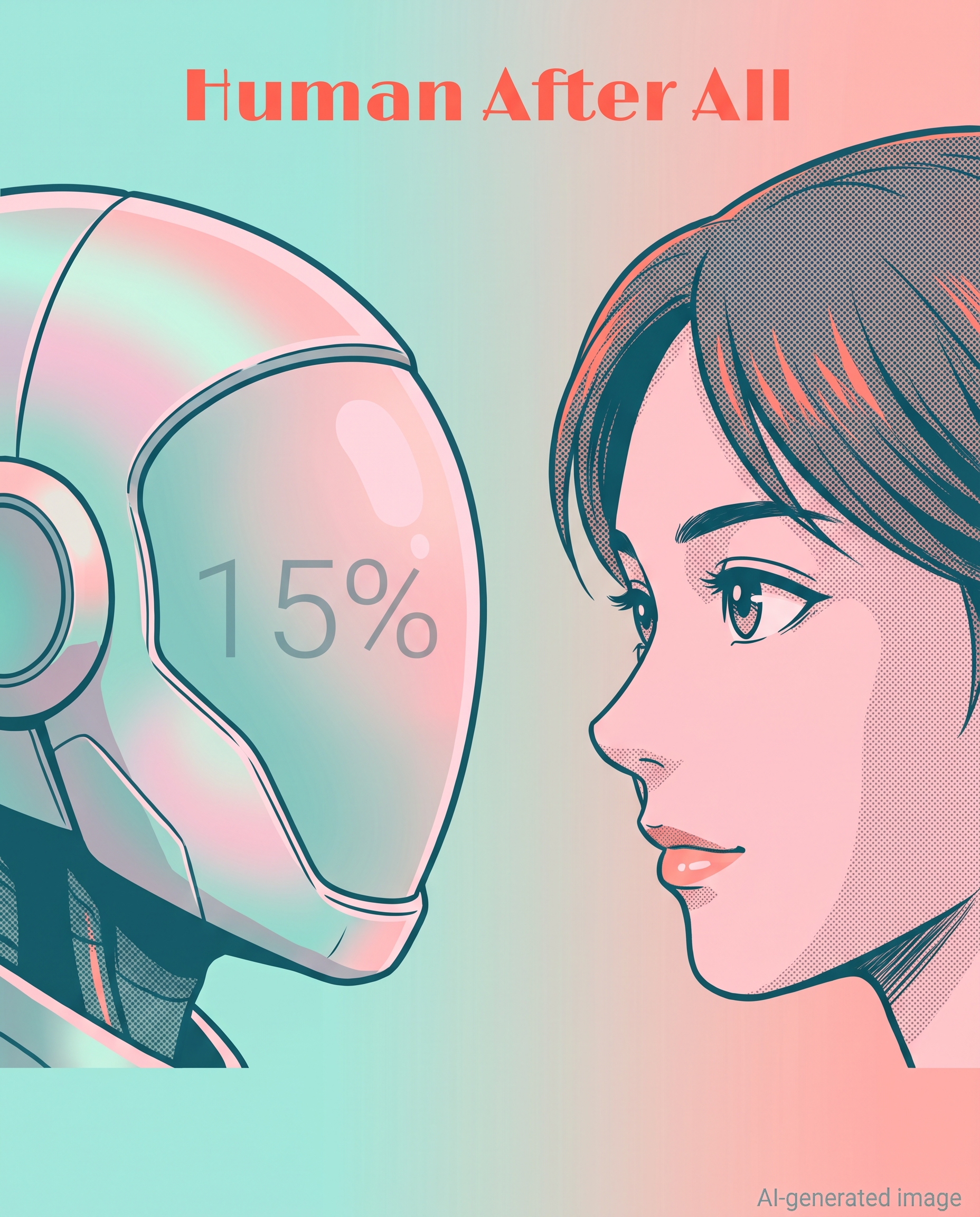
Millions of people use AI tools every week, and hardly anyone actually trusts them. Three things your company can do right now.
Read the article →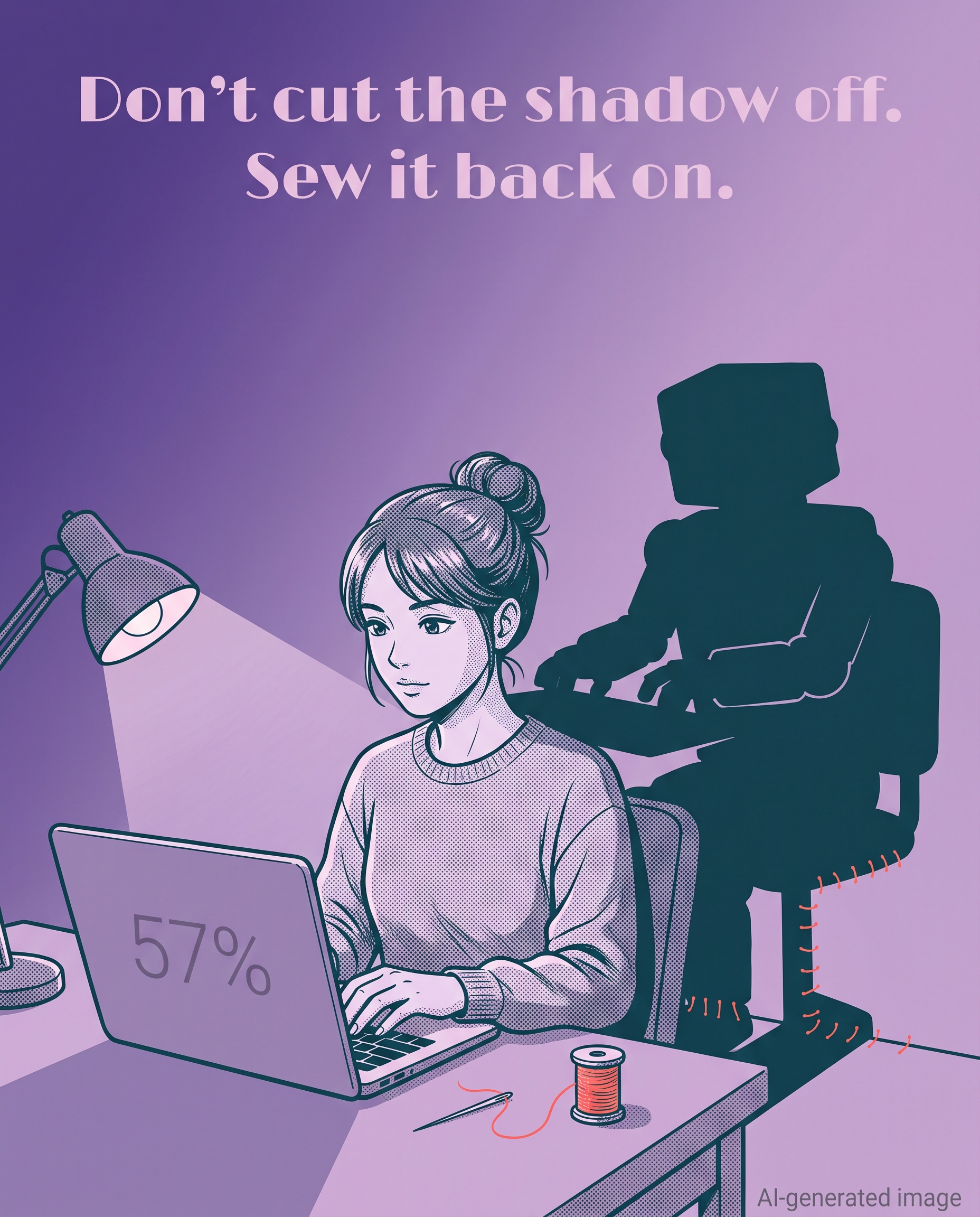
57%. That’s the share of employees who say they hide their use of AI at work, and pass off AI-generated work as their own. That number doesn’t come from some random blog — it comes from a University of Melbourne and KPMG study of more than 48,000 people in 47 countries. Put simply, in a team of ten, more than half might be using AI without anyone knowing.
of employees hide their AI use at work and pass off AI output as their own (KPMG & University of Melbourne, 2025)
According to the same KPMG and University of Melbourne study, almost half of employees admit to using AI in ways that go against company rules, including pasting sensitive information into free tools like ChatGPT. Two in three use AI answers without checking whether they’re right. More than half say they’ve made mistakes at work because of AI.
Microsoft and LinkedIn’s 2024 survey of 31,000 workers in 31 countries found that 78% of people using AI at work bring their own tools. In small and medium-sized businesses, it’s 80%. And in 2025, Gartner found that 69% of cybersecurity leaders suspected or had evidence that employees were using banned public AI tools — with a prediction that by 2030, more than 40% of organisations will have had a security or compliance incident as a result.
In April 2023, Samsung engineers pasted confidential source code into ChatGPT to fix a bug or summarise a meeting — three times in a few weeks. Nothing malicious: they just wanted to get their work done faster. The problem was that the data ended up on outside servers, with no easy way to get it back. In early May, Samsung banned generative AI tools on its devices and networks. Three years on, most companies haven’t learned the lesson.
You could put it down to bad faith. It rarely is. First, there often aren’t any rules: only 40% of employees say their workplace has a policy on generative AI, and only 47% have had any training (KPMG). When nobody says what’s allowed, everyone figures it out on their own. Then there’s fear: 53% of people using AI worry that using it for important tasks makes them look replaceable. The result is absurd: employees save time but hide it, and the company takes risks it can’t see.
Blocking everything is tempting — it feels safe and only takes one meeting to decide. But when a tool genuinely saves people time, the use is unlikely to vanish. More likely it moves to personal phones or home laptops, where the company sees even less of what’s going on. Shadow AI is handled like most trust problems: by bringing it into the light.
Ask your teams which AI tools they use, and what for. An anonymous survey is enough to get started. Make it clear nobody’s getting in trouble: the point is to understand. You’ll probably find uses you never imagined — some risky, some great ideas worth rolling out to everyone.
If you don’t provide anything, people will sort themselves out. Pick one or two approved tools with proper data guarantees. Then write rules that fit on one page: what can go in, what never goes in (customer data, financial information, source code, personal data), and who to ask when in doubt.
Two in three employees don’t check AI answers. That’s where the real risk is. A short, practical training session goes a long way: how AI gets things wrong, how to check, what should never leave the company. And one clear principle: whoever uses AI stays responsible for the result. That’s also the spirit of the EU AI Act.
RAIM Level is a responsible AI maturity rating for organisations. An independent measure, based on evidence. It covers five pillars, from people and society to environmental impact, including governance, transparency and security. You get a RAIM Score®, a maturity level (from Foundation to Leader) and an action plan to move up. A pilot programme starts in October with European companies — the assessment is free during the pilot.
Join the pilot programmeMillions of people use AI tools every week, and hardly anyone actually trusts them. Three things your company can do right now.
Read the article →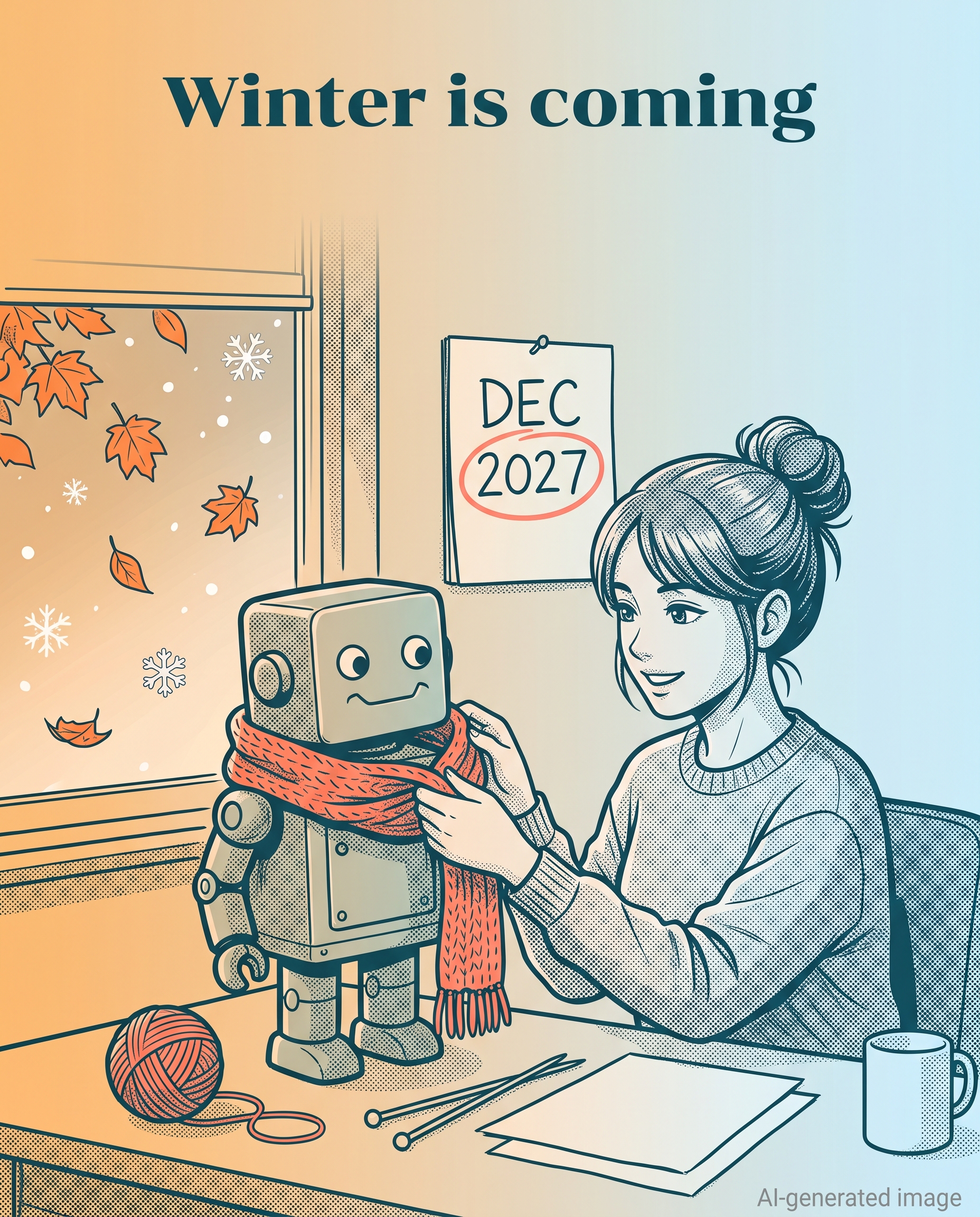
High-risk AI rules are pushed back to December 2027. But part of the EU AI Act already applies — and fourteen months go fast.
Read the article →