Responsible AI
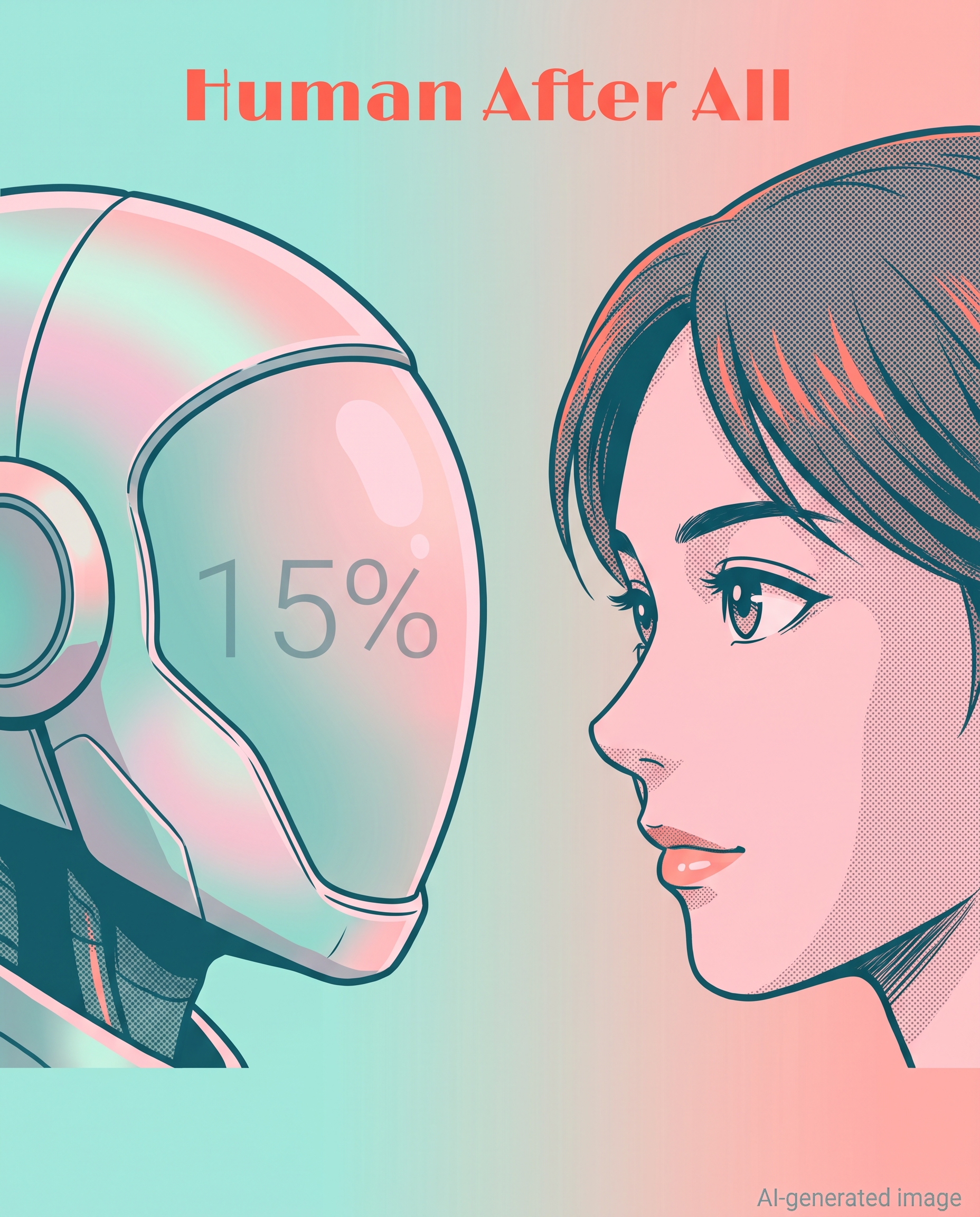
Human After All: responsible AI and how companies win back trust
Millions of people use AI tools every week, and hardly anyone actually trusts them. Three things your company can do right now.
Read the article →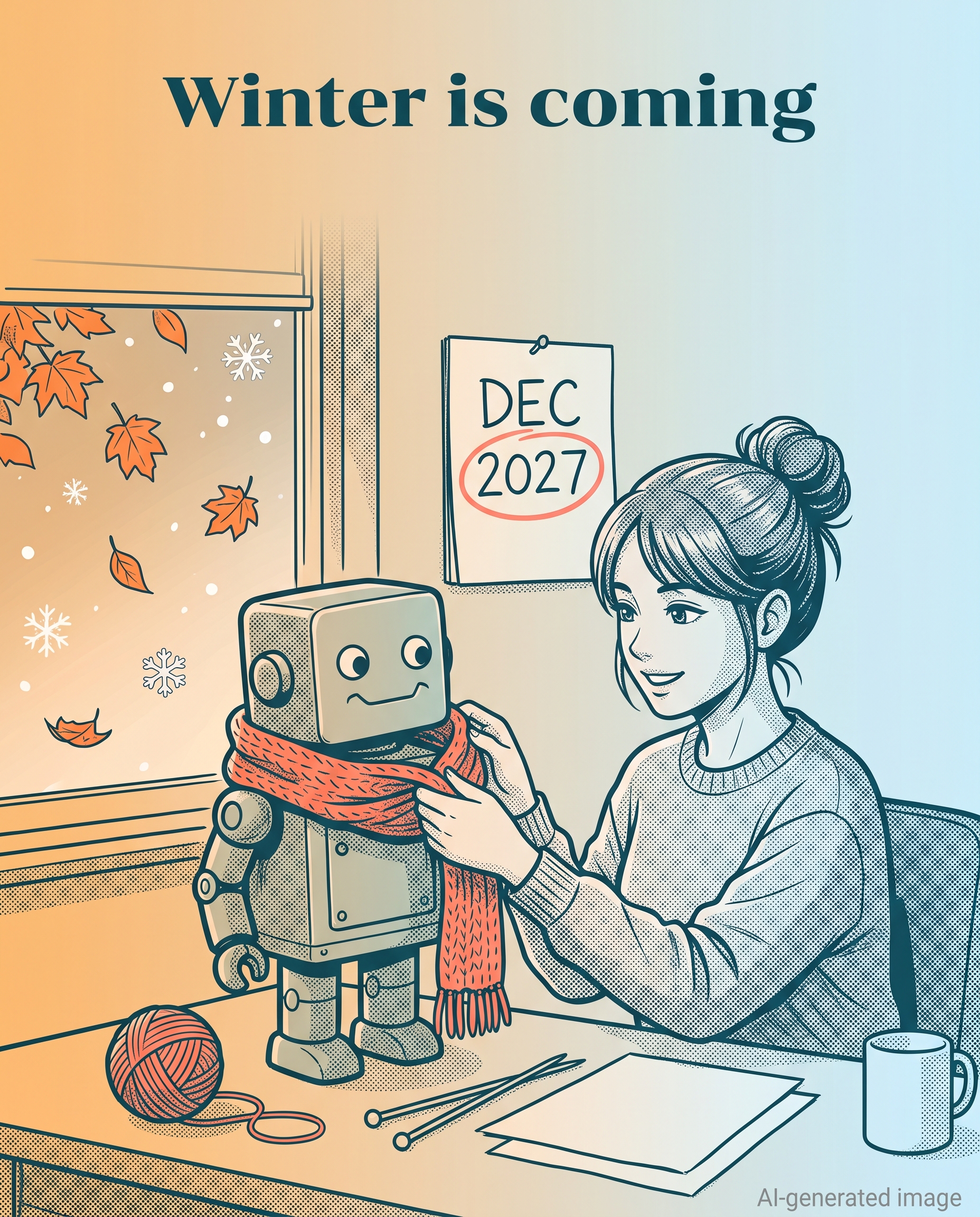
2 December 2027. That’s the new date for the EU’s rules on “high-risk” AI. They were meant to kick in on 2 August 2026. Brussels gave everyone sixteen extra months. In a lot of companies, the news landed like a surprise bank holiday. The AI Act file went straight back to the bottom of the pile. That’s a mistake.
New deadline for EU high-risk AI rules, after 16 months of extra time granted by the Digital Omnibus
The AI Act is the EU’s regulation on artificial intelligence, adopted in 2024. It sorts AI uses by risk level: the higher the risk, the heavier the obligations. In July, the EU published a “simplification” package, known as the Digital Omnibus on AI. It came into force on 27 July 2026. Its main effect: the high-risk obligations have been pushed back to 2 December 2027 for uses like recruitment, access to credit, education or essential services — and to 2 August 2028 for AI built into already-regulated products like medical devices.
The reason is out in the open: the European technical standards that explain how to actually comply weren’t ready. Hard to ask companies to follow a manual that hasn’t been written yet. What’s inside the regulation hasn’t moved, though. Risk management, documentation, human oversight, monitoring after deployment: it’s all still there. Only the date has changed.
The delay doesn’t cover the whole regulation. Banned uses: since February 2025, some uses are simply off-limits, like social scoring or manipulation that preys on people’s weaknesses. The Omnibus adds two more from 2 December 2026 — tools that create intimate images without consent, and tools that produce child sexual abuse material. Transparency: since 2 August 2026, you must tell people when they’re dealing with an AI, and flag AI-generated content. Training your people: this obligation was softened, not scrapped. A company that shelved the file in August may already be behind.
Brussels’ calendar isn’t your clients’ calendar. Large companies are getting ready for their own compliance and need to know how their suppliers use AI. The questions will show up in tenders and supplier questionnaires long before December 2027. That’s how it went with personal data, and then with climate.
Remember RGPD? Adopted in 2016, applicable from May 2018. Two years to get ready, and most companies did everything in the last few months, in a rush and often in a mess. There are about fourteen months left before December 2027. Sounds like plenty. It’s a lot less once you need to map your uses, train your teams, write procedures and sometimes switch tools.
All of them. The tool that sorts CVs, the customer service chatbot, the assistant your sales team started using without asking anyone. For each one: who uses it, what for, and with what data. Everything else builds on this — and it’s usually where the surprises are.
Recruitment, employee evaluation, credit, access to a service: these are the uses the regulation treats as high-risk. They’re also the ones that do the most damage to trust when they go wrong. Start there. You don’t need technical standards to find out whether your CV-sorting tool is quietly filtering out certain profiles.
For each sensitive use: who checks the results, who can say no to the machine, who answers when someone challenges a decision? That’s the heart of the text — and none of it depends on a future standard. If the answers already exist in people’s heads, put them on paper.
RAIM Level is a responsible AI maturity rating for organisations. An independent measure, based on evidence. It covers five pillars, from people and society to environmental impact, including governance, transparency and security. You get a RAIM Score®, a maturity level (from Foundation to Leader) and an action plan to move up. A pilot programme starts in October with European companies — the assessment is free during the pilot.
Join the pilot programmeMillions of people use AI tools every week, and hardly anyone actually trusts them. Three things your company can do right now.
Read the article →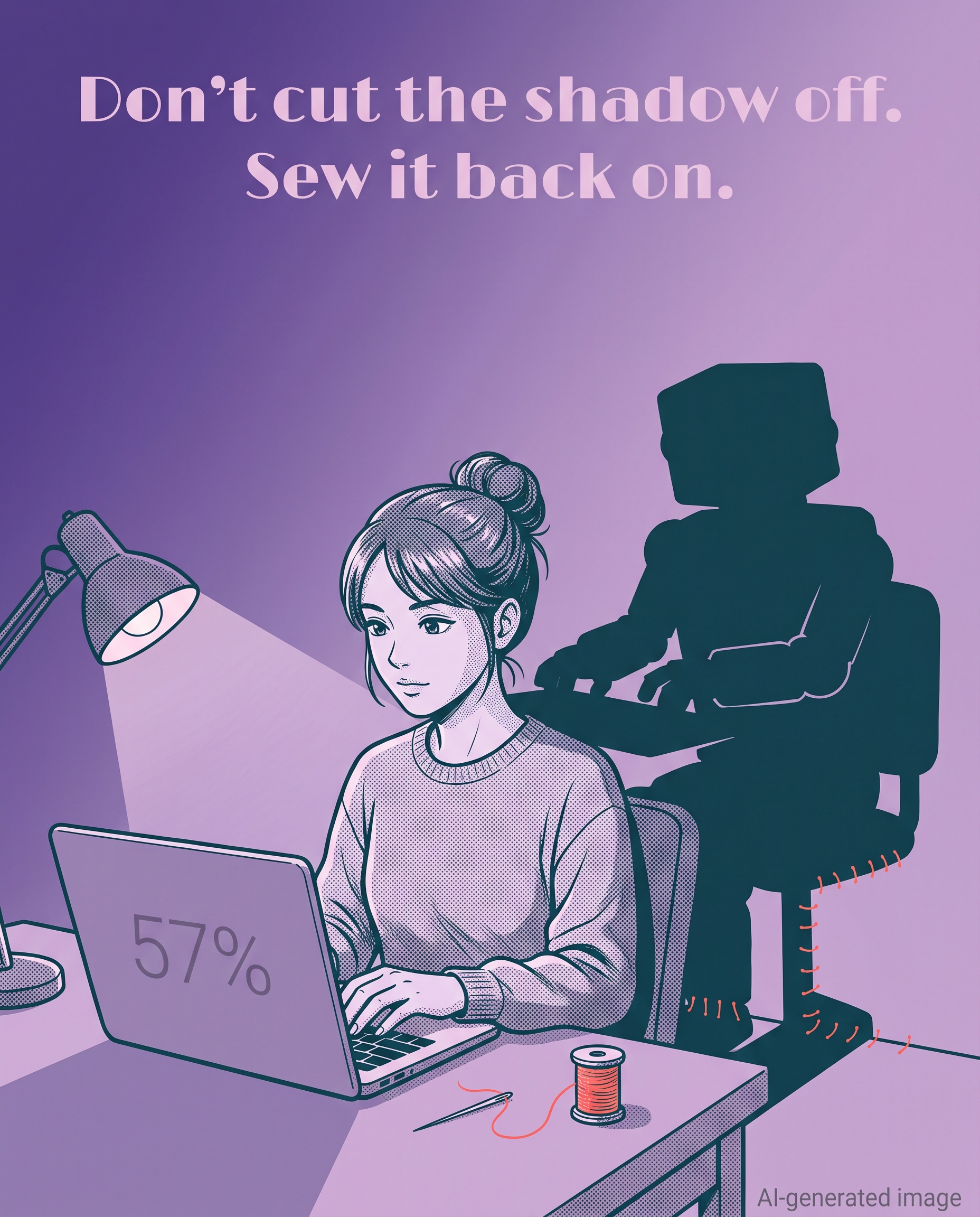
57% of employees hide their AI use at work. Why shadow AI keeps growing, why banning it isn't enough, and three steps to bring it into the open.
Read the article →